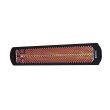
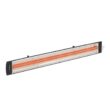
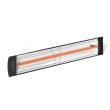
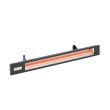
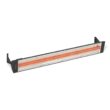
Introduction to Electric Infrared Heaters
Heating solutions are a critical consideration for every homeowner, especially with the chilly winter months looming around the corner. With the myriad of choices available on the market, it can be tricky to determine the best fit for your needs. Among the contenders, electric infrared heaters have risen the ranks. But what exactly are these innovative heating solutions, and what are the costs associated with their operation, purchase, and maintenance? Additionally, what savings can they bring to the table?
A Quick Exploration of the Functionality of Electric Infrared Heaters
Understanding the Science behind Infrared Heating
Before we delve into the cost-effectiveness of electric infrared heaters, let’s familiarize ourselves with their operation. Unlike traditional heaters that heat the air, these devices emit infrared radiation, similar to the sun’s rays, which directly warms up objects and people in their path.
Beneficial Features of Electric Infrared Heaters
What sets electric infrared heaters apart? For starters, they ensure consistent temperature, thereby providing warmth that echoes nature’s way of heating. Moreover, they promise energy-efficient heating, reduce dust circulation, and minimize moisture loss in the air, supporting a healthier living environment.
Breaking Down the Expenses Associated with Electric Infrared Heaters
Purchase Costs and Installation
The initial expense concerning electric infrared heaters lies primarily in the purchase and installation phase. They are generally more expensive than traditional heating systems due to the advanced technology involved. Their prices can range anywhere from $50 for smaller, portable units, to over $1000 for larger, more complex installations.
Operating Costs
Crucial in determining the cost-effectiveness is also the operating costs. They are primarily dependent on two factors: the per kWh cost of electricity in your area and the heater’s wattage. Depending on your usage, these costs can add up, although it’s worth noting that since infrared heaters work more efficiently, energy consumption is relatively lower.
Maintenance Expenses
Although some expenses are associated with maintaining electric infrared heaters, they are generally lower compared to traditional heaters. These could involve the occasional replacement of infrared bulbs and general unit cleaning.
Savings That Come With Electric Infrared Heaters
Energy Efficiency
Infrared heaters heat objects and people directly instead of the air around them, which reduces energy wastage, leading to increased energy efficiency. This considerably lowers electricity bills, resulting in substantial savings in the long run.
Reduced Maintenance Costs
Since these heaters have fewer moving parts than their counterparts, the need for regular maintenance is minimized. This leads to reduced upkeep costs over time.
Sustainability
Electric infrared heaters do not burn fossil fuels. This makes them a cleaner and more environmentally friendly heat source, leading to indirect savings regarding potential future carbon taxes and ecological impacts.